UF Institute of Food and Agricultural Sciences Extension logo
Give      University of Florida
Resources
    Toggle Search Form
    GIVE UNIVERSITY OF FLORIDA
    • HOME
    • PLANTS
            • Subheading 1
            • Link 1
            • Link 2
            • Link3
            • Link 4
            • Subheading 2
            • Link 5
            • Link 6
            • Link 7
            • Link 8
            • Subheading 3
            • Link 9
            • Link 10
            • Link 11
            • Link 12
            • Subheading 4
            • Link 13
            • Link 14
            • Link 15
            • Link 16
            • Subheading 5
            • Link 17
            • Link 18
            • Link 19
            • Link 20
    • VERTEBRATES
            • Subheading 1
            • Link 1
            • Link 2
            • Link3
            • Link 4
            • Subheading 2
            • Link 5
            • Link 6
            • Link 7
            • Link 8
            • Subheading 3
            • Link 9
            • Link 10
            • Link 11
            • Link 12
            • Subheading 4
            • Link 13
            • Link 14
            • Link 15
            • Link 16
            • Subheading 5
            • Link 17
            • Link 18
            • Link 19
            • Link 20
    • INVERTEBRATES
    • PATHOGENS
            • Subheading 1
            • Link 1
            • Link 2
            • Link3
            • Link 4
            • Subheading 2
            • Link 5
            • Link 6
            • Link 7
            • Link 8
            • Subheading 3
            • Link 9
            • Link 10
            • Link 11
            • Link 12
            • Subheading 4
            • Link 13
            • Link 14
            • Link 15
            • Link 16
            • Subheading 5
            • Link 17
            • Link 18
            • Link 19
            • Link 20
    • ABOUT
            • Subheading 1
            • Link 1
            • Link 2
            • Link3
            • Link 4
            • Subheading 2
            • Link 5
            • Link 6
            • Link 7
            • Link 8
            • Subheading 3
            • Link 9
            • Link 10
            • Link 11
            • Link 12
            • Subheading 4
            • Link 13
            • Link 14
            • Link 15
            • Link 16
            • Subheading 5
            • Link 17
            • Link 18
            • Link 19
            • Link 20
    • FOR AGENTS
            • Subheading 1
            • Link 1
            • Link 2
            • Link3
            • Link 4
            • Subheading 2
            • Link 5
            • Link 6
            • Link 7
            • Link 8
            • Subheading 3
            • Link 9
            • Link 10
            • Link 11
            • Link 12
            • Subheading 4
            • Link 13
            • Link 14
            • Link 15
            • Link 16
            • Subheading 5
            • Link 17
            • Link 18
            • Link 19
            • Link 20

    Invasive Species Programs

    Invasive Species Programs

    FAST FACTS: Florida has more introduced species of reptiles and amphibians living and breeding in the wild than anywhere else in the world and there are many more species of nonnative lizards breeding in Florida than native lizards.

    Invasive Vertebrates

    This section includes programs and research related to invasive mammals, reptiles and amphibians, fish, and birds.

    Vertebrates-TAL-Button

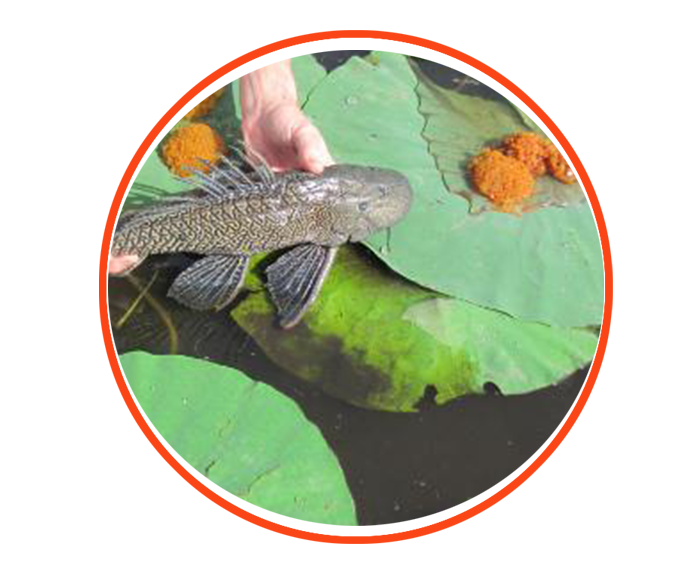
    Tropical Aquaculture Laboratory

    Non-native species research and extension. Non-native species are important to the aquaculture and aquarium industries. Some non-natives support important recreational and commercial fisheries and some are used for aquatic weed control. Unfortunately, some non-native fishes and other aquatic animals have escaped from culture, been released by hobbyists, or have entered the environment through other pathways. Of this group of introduced species, some establish populations, some spread, and a few can become problematic for Florida’s environment, economy, and human health/quality of life.
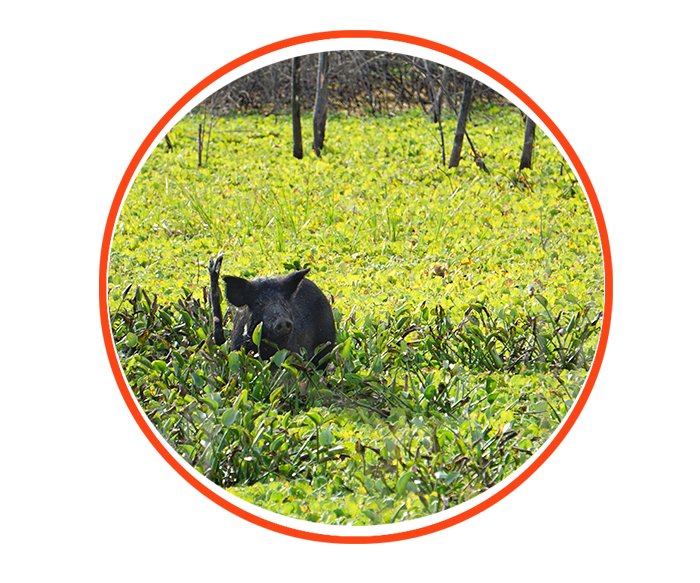
    Vertebrates-Feral hogs damage native plants at Lower Suwannee National Wildlife Refuge in Florida. (Steve Hillebrand/USFWS)-RangeCattleREC-Button

    Range Cattle Research and Education Center

    Weed Science and Rangeland Wildlife and Ecosystem programs. Mission: Provide science-based information to address the challenges affecting owners and managers of grazing lands.

    University of Florida Logo
    Contact

    Feedback
    Invasive Species Programs
    PO Box 110410 Gainesville, Fl 32611
    (352) 846-2374

    Land Grant Mission
    • Teaching
    • Research
    • Extension
    Information
    • Ask IFAS (EDIS)
    • UF/IFAS Experts
    • UF/IFAS Blogs
    • UF/IFAS Bookstore
    Policy
    • Accessible UF
    • EEO Statement
    • IFAS Web Policy
    • SSN & UF Privacy
    • Analytics (Google Privacy)

    © 2025 University of Florida, IFAS Last Modified:Fri, 6 Dec 2024 08:38:11 EST